
Imagine waking up without an alarm clock, a stressful commute, or financial pressure. Many Americans dream of decades of freedom, but more are achieving it early. You don’t need a huge salary or luck to make this dream come true.
Success comes from disciplined saving and smart lifestyle choices. By mastering your finances, you can leave the traditional workforce on your own terms.
This guide will show you how to plan for early retirement. We’ll cover the key principles for true freedom. You’ll see that strategic decision-making is the key to your future.
Key Takeaways
- Financial independence is achievable through consistent habits, not just wealth.
- Smart investment choices help you leave the workforce faster.
- Living intentionally means spending wisely for your future goals.
- Early retirement planning means understanding your future costs.
- Freedom comes from making smart, calculated financial moves.
Understanding the FIRE Movement and Your Financial Independence
Ever thought about waking up without a 9-to-5 job? The FIRE movement shows a way to take back your time. It lets you focus on what you love, not just work.
By saving a lot and investing wisely, you can reach true autonomy faster. It’s not just about numbers. It’s about building a strong base for your dreams.
Defining Financial Independence and Early Retirement
Financial independence means you have enough money to live without working. When you get there, you choose to work, not have to.
Early retirement isn’t just about relaxing on a beach. It’s about having the freedom to live life on your terms. You control your time and what you do.
The Psychology of Retiring at 50
Changing your mind about retiring early is tough. Society makes us think we must work forever. This makes the idea of financial independence seem strange or risky.
To win, you need to see time as more valuable than money. Focus on the joy of financial freedom. This keeps you going through the ups and downs of saving.
The fire movement helps you create a life that truly matters to you. By ignoring what others think, you can build a future that reflects your values and dreams.
Calculating Your Number: The 25x Rule and the 4% Rule
Your journey to early retirement starts with two key tools: the 25x rule and the 4% rule. These help figure out how much money to retire at 50 and make sure your savings last long. A good retirement calculator turns dreams into real financial plans.
Applying the 25x Rule to Your Annual Expenses
The 25x rule is a simple yet powerful tool. First, calculate your total retirement expenses for a year. Then, multiply that by 25 to find the needed capital for your lifestyle.
- Estimate your yearly spending including housing, food, and travel.
- Multiply that total by 25 to reach your target number.
- This figure represents the net worth you need to sustain your current standard of living indefinitely.
How the 4% Rule Protects Your Portfolio
The 4 percent rule guides your safe withdrawal rate. It says withdrawing 4% of your portfolio in the first year and adjusting for inflation later will likely last 30 years. This strategy helps avoid using up your assets too fast during market downturns.
Factors Influencing Your Retirement Goal
While the math gives a starting point, your personal situation will shape the final number. Your retirement lifestyle greatly affects how much you need to save. A simple life needs less money than one filled with luxury and hobbies.
Adjusting for Lifestyle and Geographic Location
Your cost of living depends a lot on where you retire. Choosing a state with lower taxes and housing can cut down your savings needs. Compare your current costs with those in your retirement location.
Accounting for Inflation and Healthcare Costs
Inflation reduces your buying power over time, so your retirement budget must account for it. Early retirees face a big gap before Medicare, so private healthcare costs are a big factor. These costs can be very high.
| Expense Category | Impact on Savings | Strategy |
|---|---|---|
| Healthcare | High | Budget for private insurance |
| Housing | Medium | Consider low-cost regions |
| Inflation | High | Invest in growth assets |
Optimizing Your Retirement Accounts for Tax Efficiency
You can speed up your journey to financial freedom by optimizing your retirement savings. It’s not just about saving money. You need a smart plan for tax efficient investing. The right accounts help you keep more of your money for the future.
Maximizing Your 401(k) and Employer Matching
Your employer’s 401(k) is a powerful tool. Many companies match your contributions, giving you an immediate return on your investment. Always aim to contribute enough to get the full match. This is like getting free money for your retirement.
These contributions also lower your taxable income. This is key to effective retirement planning. It helps grow your wealth while reducing taxes.
Leveraging Roth IRA and Traditional IRA Benefits
Choosing between a Traditional IRA and a Roth IRA depends on your tax situation. A Traditional IRA offers a tax deduction now, which is good if you’re in a high tax bracket. A Roth IRA lets your money grow tax-free, so you won’t pay taxes in retirement.
Many people use both accounts for a balanced tax strategy. This way, you can manage your taxes, no matter what the future holds.
Navigating Early Withdrawal Penalties
Retiring early can mean worrying about early withdrawal penalties. The IRS charges a 10% penalty for taking money out before 59½. But, there are ways to avoid this penalty, like the Rule of 72(t) or Roth conversion ladders.
Knowing these rules is key to successful retirement planning. It helps you avoid extra costs and keeps your money available when you need it.
Building a Robust Investment Portfolio
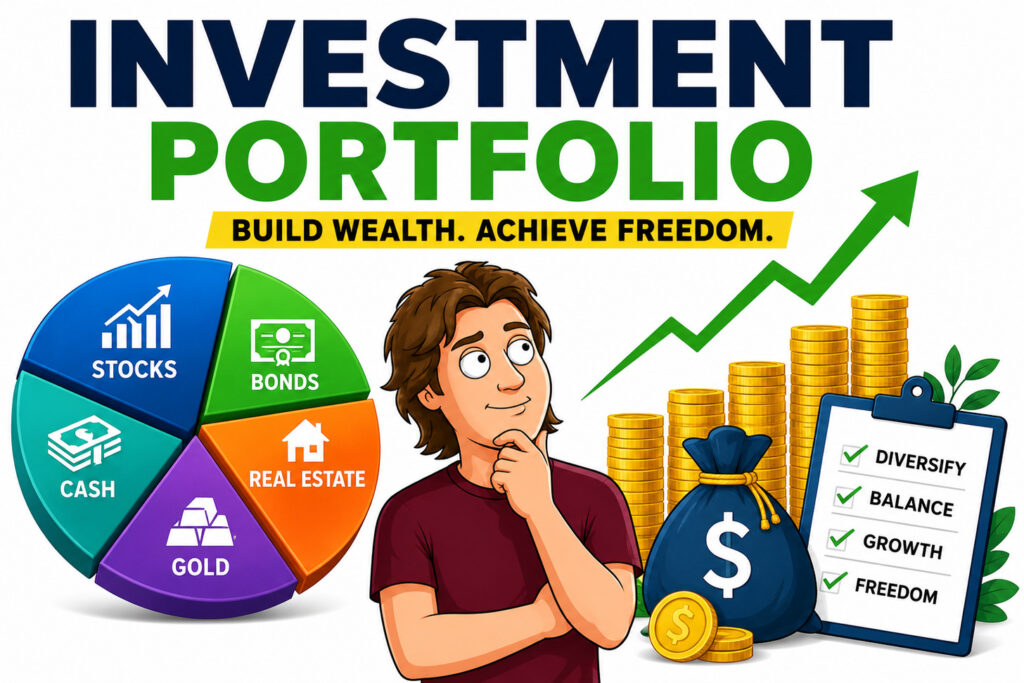
A strong investment portfolio is key to financial freedom. Picking the right investment strategy makes your money work hard. It’s vital for those aiming to retire by 50.
The Power of Low-Cost Index Funds and ETFs
Index funds are a smart choice for many. They follow big market indexes, like the s&p 500 index fund. This gives you a wide range of investments at a low cost.
Exchange-Traded Funds, or ETFs, offer similar benefits with more flexibility. You can trade them like stocks in your brokerage account. They’re great for building a retirement fund.
Dividend Investing for Consistent Cash Flow
Dividend investing brings in steady income. Big companies often share their profits with shareholders. This income can grow your wealth or help with living costs in retirement.
Diversification and Asset Allocation Strategies
Good asset allocation means spreading your investments. This protects you from market ups and downs. A balanced portfolio keeps your wealth stable, no matter what the economy does.
Managing Risk for Long-Term Growth
Risk management is about knowing your limits. Diversifying your investments reduces the impact of market drops. This is key for long term investing success.
The Magic of Compound Interest
Compound interest is the secret to early retirement. When your earnings grow on their own, your wealth increases fast. Start early and stay consistent for big returns over time.
Practical Strategies to Increase Income and Savings
You can get to retirement faster by growing your income and saving more. Cutting costs is important, but you can only save so much. On the other hand, your earning power is endless, making it key to building wealth.
High-Income Skills and Career Advancement
To boost your main income, learn high income skills that are in demand. Jobs like software development, data analysis, and digital marketing pay well. Getting certified or trained can increase your salary.
Strategic career moves can also pay off big time. Often, the biggest salary increases come from switching jobs, not just waiting for raises. Negotiating your compensation is a must to keep your income aligned with your retirement goals.
Developing Side Hustles for Extra Capital
After optimizing your main job, explore a side hustle income for extra cash. Pick ventures that offer good returns for your time. Freelancing or starting a niche consulting business can turn your skills into money.
Think about creating digital assets like online courses or e-books. They need initial work but can bring in passive cash flow. Putting every extra dollar into your investments can speed up your retirement.
Aggressive Budgeting and Expense Reduction
Living below your means is essential. Track all your expenses to find ways to save. Automating your savings ensures you save first, before spending on anything else.
Work on cutting your biggest expenses, like housing and transportation. Choosing a smaller home or a reliable used car can save you a lot. Consistency is the key to success in building wealth.
Creating Passive Income Streams for Early Retirement
Financial independence means having wealth that works for you. When you retire at 50, you need steady retirement income to keep your lifestyle. Diverse revenue sources create a safety net for your financial health.
Real Estate Investing and Rental Income
Real estate investing is a solid base for many retirees. It lets you earn monthly rental income that keeps up with inflation. This asset class also has the chance to grow in value and provide steady cash flow.
Think about the property’s location and management needs before buying. Managing your own properties can boost your earnings. But, hiring a property manager is wise if you want to enjoy retirement without worries.
Utilizing REITs for Hands-Off Exposure
Real Estate Investment Trusts (REITs) are great if you want property benefits without the hassle. They let you invest in big projects through the stock market. REITs must share a big part of their earnings with shareholders, making them a top choice for dividend investing.
REITs spread your investment across different sectors like healthcare or retail. This is a liquid way to enter the property market. It’s ideal for earning passive income without dealing with property issues.
Building Online Businesses and Digital Assets
The digital world offers chances to create assets that make money all the time. Starting a blog, creating an online course, or making software are all good options. These ventures can bring in a lot of cash flow with little upkeep.
Investing in digital assets lets you use your skills and interests. You can turn your knowledge into a product for people worldwide. Combining digital ventures with dividend investing makes a strong financial plan for retiring at 50.
Managing Debt and Building Your Emergency Fund
Financial security is more than just having money. It’s about getting rid of things that hold you back. To enjoy your retirement, you need to manage your money well. This means making sure your future income is yours alone.
Strategies to Eliminate High-Interest Debt
High-interest debt, like credit card balances, can slow you down. You should pay these off fast to retire without debt. There are two main ways to do this.
The debt avalanche method focuses on the highest interest rate first. This saves you the most money over time. The debt snowball method targets the smallest balances first. This gives you quick wins to keep you going.
| Strategy | Primary Focus | Best For | Financial Impact |
|---|---|---|---|
| Debt Avalanche | Highest Interest Rate | Mathematical efficiency | Saves more money |
| Debt Snowball | Smallest Balance | Behavioral motivation | Builds consistent habits |
| Debt Consolidation | Single Lower Rate | Simplifying payments | Reduces monthly stress |
The Importance of a Liquid Emergency Fund
An emergency fund protects you from unexpected events. Without it, you might have to sell your investments when they’re low. This could hurt your retirement plans.
Try to save three to six months of living expenses in a savings account. This liquid money helps cover sudden expenses. Keeping it separate from your investments gives you peace of mind.
Achieving Financial Security Before You Quit
To reach financial security, check your obligations one last time. Make sure your monthly expenses are covered by your passive income. This ensures your retirement is permanent and sustainable.
Look over your budget again to confirm you can retire without debt. Good money management is key in early retirement. With your emergency fund full and high-interest debt gone, you’re ready for your new life.
Planning for Healthcare and Social Security Considerations
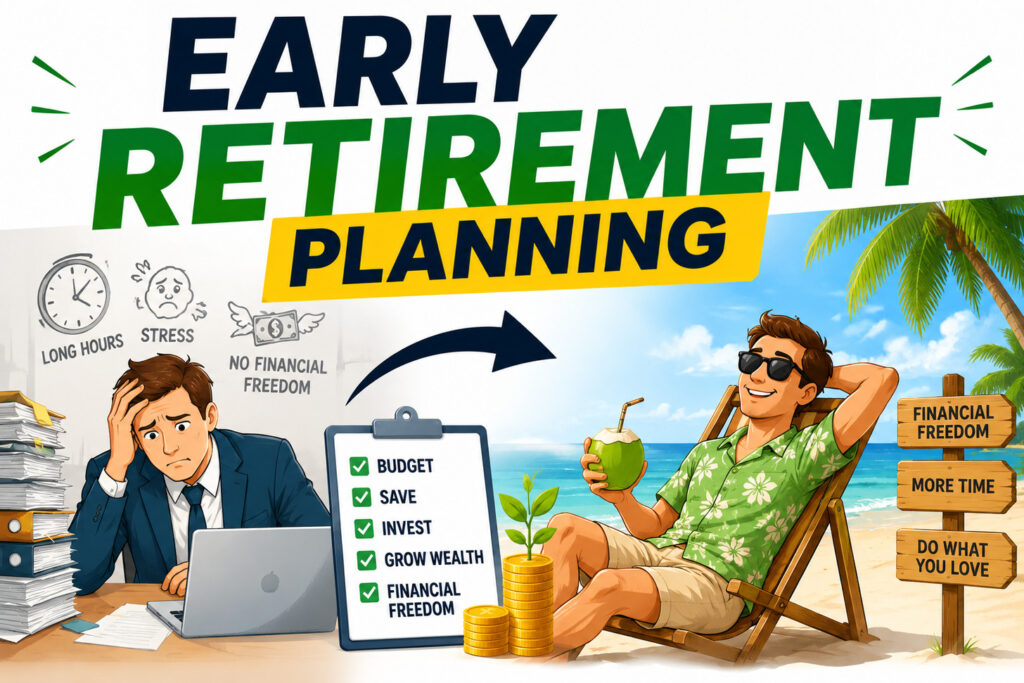
Retiring early comes with its own set of challenges. Your savings might be ready, but planning for life after work is key. Good early retirement planning helps you avoid unexpected costs and keep your lifestyle intact.
Bridging the Gap Before Medicare Eligibility
Managing healthcare costs before medicare eligibility is a big hurdle. You can’t get government insurance until 65, so you need private coverage. Many use the Affordable Care Act (ACA) to find affordable plans based on their income.
COBRA or a Health Savings Account (HSA) are also options. They help with medical costs without using up your savings too fast. It’s important to plan for these costs to keep your money safe.
| Option | Pros | Cons | Best For |
|---|---|---|---|
| ACA Marketplace | Income-based subsidies | Variable premiums | Lower income years |
| Private Insurance | High coverage levels | Expensive premiums | High-income retirees |
| HSA Funds | Triple tax advantage | Limited contribution | Long-term savers |
Understanding Social Security Benefits and Timing
Choosing when to take your social security benefits is a big decision. Starting at 62 means smaller checks forever. Waiting until 70 boosts your monthly payment.
Think of these benefits as a safety net, not your main income early on. Delaying your claim means more money later. Strategic timing is key for a secure retirement.
Tax-Efficient Withdrawal Strategies
Using a tax efficient investing strategy is essential. You need a retirement withdrawal strategy to keep taxes low. Start by using taxable accounts first to let tax-advantaged ones grow more.
Consider Roth conversions when your income is low. This keeps your money growing tax-free. Careful planning today ensures a secure retirement.
Conclusion
Leaving the workforce by age 50 is achievable with dedication and a clear plan. You now have the tools to create a retirement roadmap that fits your values.
Remember the 25x rule to figure out how much you need to save. Invest wisely in Vanguard or Fidelity index funds to grow your wealth. These steps ensure you can retire comfortably and enjoy your lifestyle.
Check your early retirement checklist to stay on track. Making small changes to your budget or income can greatly impact your future. You have the power to shape your future starting today.
Start by checking your current assets and debt. Taking consistent action can turn your dream of early freedom into reality. Your journey to independence begins with the choices you make now.